
INGLEWOOD, CA — “Freeway” Rick Ross is watching Capitol Hill very closely. Following the Senate’s passage of a massive $70 billion immigration enforcement bill, a specific carve-out has caught his attention: a $1.8 billion “anti-weaponization” fund designed to compensate Americans mistreated by federal government overreach.
Now, Ross wants his cut. And he believes he has the ultimate case.
 The Architecture of a Conspiracy
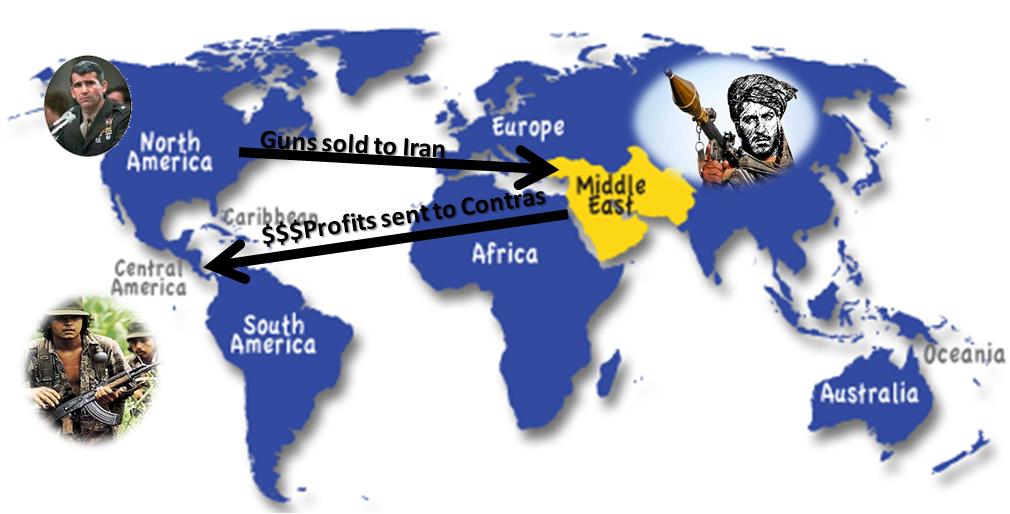
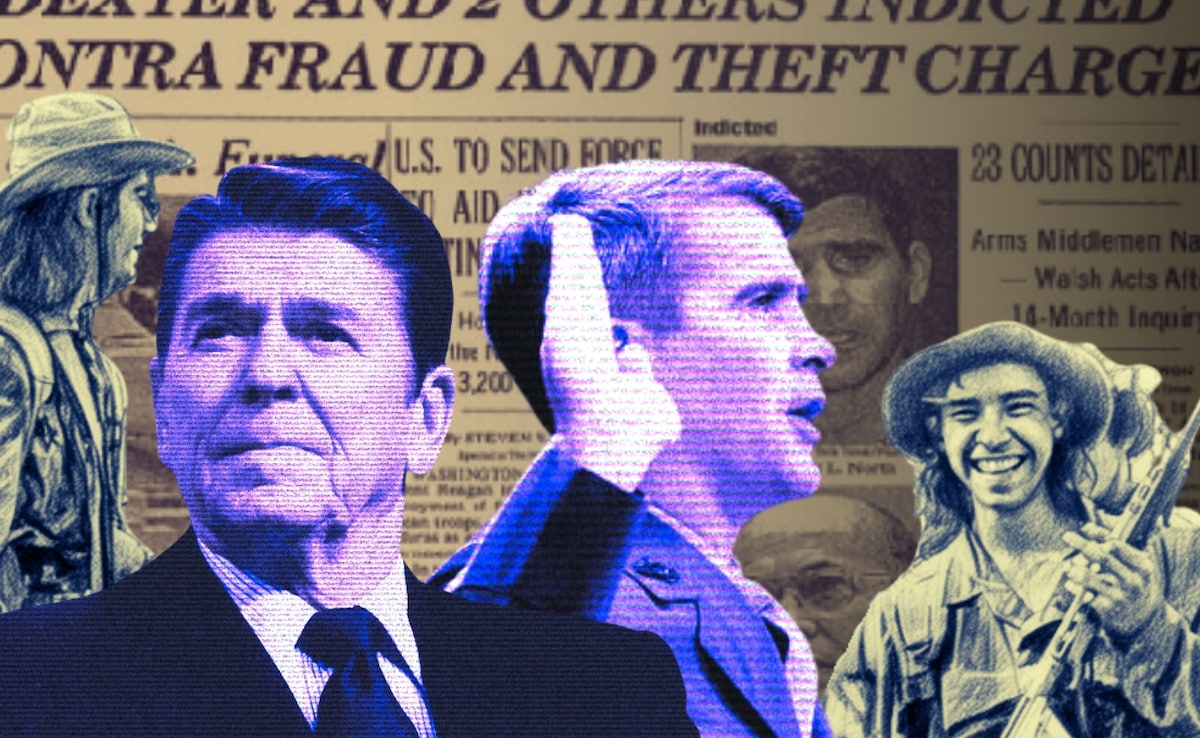
For decades, Ross has argued that he was the unwitting ground-zero casualty of an insidious international conspiracy. Conceived deep within the CIA and executed with White House knowledge, the Iran-Contra Affair of the 1980s famously bypassed congressional bans to fund Contra rebels fighting a proxy war in Nicaragua.
To raise those funds, federal operatives and their informants turned a blind eye to—and actively facilitated—the trafficking of metric tons of pure cocaine into the United States.
Ross became the central distributor of that supply, unknowingly acting as the financial engine for an illegal war. The result was an unprecedented crack cocaine epidemic that systematically dismantled Black and urban communities across America.
“The first time I ever heard the term ‘The Iran-Contra Affair’ was from inside a prison cell,” Ross says, reflecting on his initial life sentence. “I was watching the news, and suddenly the puzzle pieces clicked. I realized the drugs destroying my community weren’t just coming from the streets—they were coming from the highest levels of government.”
 The Generational Toll
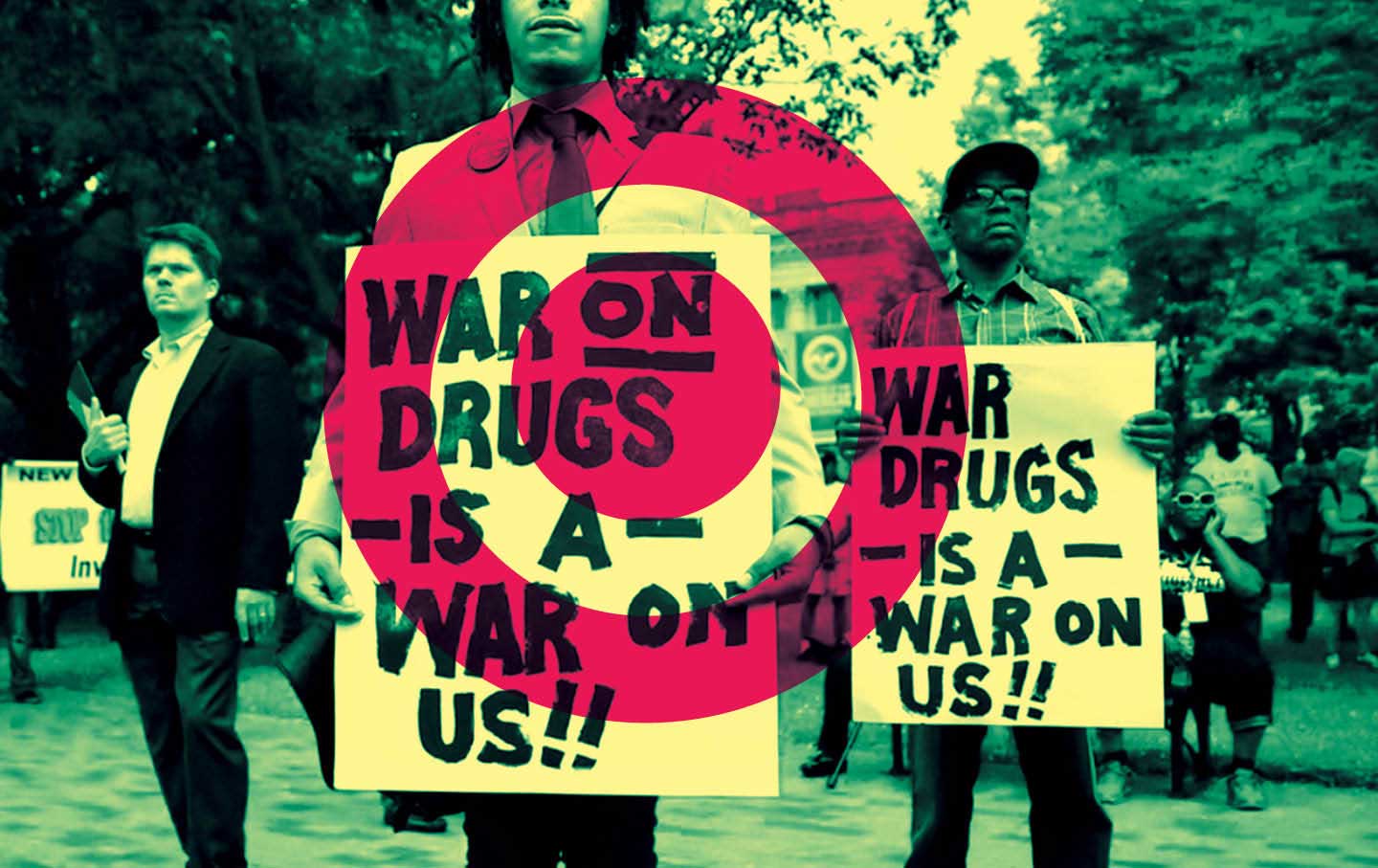
The fallout of the government’s weaponized drug policy extends far beyond Ross’s individual prison sentence, which was eventually reduced before his release in 2009. The true cost is measured in the generational trauma inflicted on millions of families nationwide:
- Mass Incarceration: Mandatory minimums and discriminatory sentencing laws locked away a generation of Black men.
- Economic Devastation: Urban economies were hollowed out by the violence and addiction that followed the epidemic.
- Systemic Betrayal: Trust between urban communities and federal institutions was permanently fractured.
If the newly proposed $1.8 billion fund is truly intended to compensate victims of federal overreach and weaponization, Ross argues that survivors of the war on drugs—and the state-sponsored trafficking that fueled it—should be at the very front of the line.
 Seeking Modern Accountability
While the immigration bill’s fund was likely envisioned by politicians to address modern political grievances, Ross’s legal and advocacy teams are preparing to argue that the historical precedent of Iran-Contra fits the bill’s definition of “government mistreatment” perfectly.
For Freeway Rick Ross, this isn’t just about personal restitution; it is about forcing a formal financial acknowledgment of the damage done to Black America. Whether Congress intends it or not, the anti-weaponization fund has reopened a dark chapter in American history—and this time, the communities left in the wake of Iran-Contra are demanding their dues.
 Detroit IP TV is a local affiliate of the